
Winter in Connecticut can be beautiful, until you notice broken branches, frozen roots, or trees that struggle to bounce back in spring. If you’re a homeowner in Woodbury, you already know that our cold winters, ice storms, and heavy snow can take a toll on even the healthiest trees. The good news? With a little preparation and the right approach to winter tree care Woodbury CT, you can help your trees survive the season and thrive when warmer weather returns.
This guide will walk you through the essential steps to protect your trees during winter, so you can avoid costly damage and keep your landscape looking its best year-round.
Why Winter Tree Care Matters
Many homeowners assume trees go dormant in winter and don’t need attention. While it’s true that growth slows down, your trees are still vulnerable to harsh weather conditions. Ice accumulation can snap branches, freeze-thaw cycles can damage bark, and rodents often chew on exposed roots and trunks when food is scarce.
Taking a proactive approach to protecting trees during winter helps prevent these issues before they start. It also sets your trees up for stronger growth in spring, reducing the risk of disease and structural problems down the road.
Inspect Your Trees Before the Cold Sets In
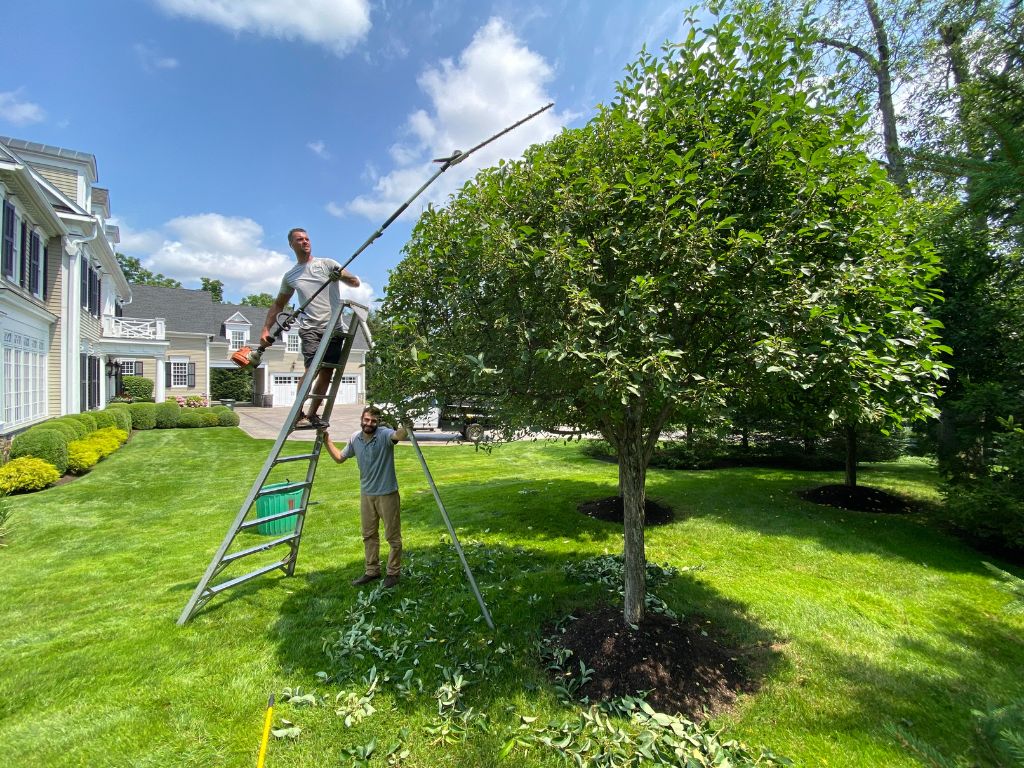
If you spot anything concerning, like large dead limbs, leaning trunks, or cavities in the wood, it’s worth addressing those issues early. In some cases, trees may be damaged beyond repair and require hazardous tree removal Burlington area homeowners often need before winter storms hit. Removing weak branches or dangerous trees now prevents them from falling during a winter storm and causing damage to your home, vehicles, or other trees.
Mulch Around the Base
One of the simplest ways to support tree care services in Woodbury CT efforts is by applying a fresh layer of mulch around the base of your trees. Mulch acts as insulation, helping to regulate soil temperature and retain moisture even when the ground freezes.
Spread a 2–4 inch layer of organic mulch (like wood chips or shredded bark) in a ring around the tree, keeping it a few inches away from the trunk itself. This prevents rot and pest issues while still giving roots the protection they need.
Water Before the Ground Freezes
It sounds counterintuitive, but watering your trees in late fall is one of the most important steps you can take for winter tree care in Woodbury. When trees enter dormancy with dry roots, they’re more vulnerable to winter damage.
Give your trees a deep watering before the ground freezes solid, especially younger trees and evergreens. This ensures they have enough moisture stored to last through the coldest months.
Wrap Young or Thin-Barked Trees
Younger trees and species with thin bark (like maples and fruit trees) are susceptible to sunscald and frost cracks. This happens when daytime sun warms the bark, and then nighttime temperatures plummet, causing the bark to split.
You can prevent this by wrapping tree trunks with burlap or tree wrap from the base up to the lowest branches. Remove the wrap in early spring to allow the bark to breathe and prevent moisture buildup.
Avoid Heavy Pruning in Winter
While minor trimming is fine, avoid heavy pruning during the coldest months. Pruning stimulates new growth, and any fresh cuts are vulnerable to frost damage and disease. Save major pruning projects for late winter or early spring, when trees are still dormant, but temperatures are starting to rise.
Why Professional Care Can Make a Difference
Tree care isn’t always straightforward. Identifying weak branches from the ground, knowing which species need extra winter protection, or safely removing hazardous limbs requires experience and the right equipment. If you’re unsure about the health of your trees or want peace of mind heading into winter, working with professionals who understand local conditions can help you avoid guesswork and prevent problems before they escalate.
Final Thoughts
Protecting your trees during winter doesn’t have to be complicated, but it does require some planning. By inspecting your trees, mulching properly, watering before freeze, and wrapping vulnerable trunks, you’re giving your landscape the best chance to stay healthy through the cold months. These small steps now can save you from costly repairs and replacements later.
If you’d like to learn more or explore support options for your property this winter, EverGreen Lawn & Landscape Lawn & Landscape Lawn & Landscape is available to help.
Frequently Asked Questions
Should I remove snow from tree branches?
Gently brush off heavy, wet snow from branches using a broom, but avoid shaking or hitting the branches, they’re brittle in cold weather and can snap easily.
Can I prune trees in winter?
Light pruning is okay, but avoid heavy cuts during the coldest months. Late winter (February–March) is ideal for most pruning tasks.
Do evergreen trees need winter care?
Yes. Evergreens lose moisture through their needles all winter, so watering before the ground freezes and applying mulch is especially important.
How do I protect trees from deer and rodents?
Use tree guards or hardware cloth around the base of young trees to prevent bark damage from animals looking for food during winter.