
As winter settles over Middlebury, CT and the surrounding areas, many homeowners wonder how to protect their trees during the cold months. Even though trees appear dormant, they are still vulnerable to harsh weather. Heavy snow, ice, freezing temperatures, and even hungry wildlife can damage branches, bark, and roots. Knowing the right steps for winter tree care Middlebury CT can help ensure your trees survive the season and flourish when spring arrives.
In this guide, we’ll explore common winter risks, practical ways to protect your trees, and strategies to maintain tree health throughout the colder months.
Understanding Winter Risks for Trees
Winter can be a challenging time for trees because of several factors. Heavy snow and ice can accumulate on branches, causing them to bend or break under the weight. Sudden drops in temperature may create frost cracks, which split the bark and leave the tree vulnerable to disease. Young trees and those with thin bark are particularly at risk.
Animals also pose a threat during winter. With natural food sources limited, deer, rabbits, and rodents may feed on tree bark or buds, potentially harming young or ornamental trees. In addition, frozen or overly saturated soil can stress roots, limiting their ability to absorb water and nutrients. Understanding these risks helps homeowners take the right preventative steps.
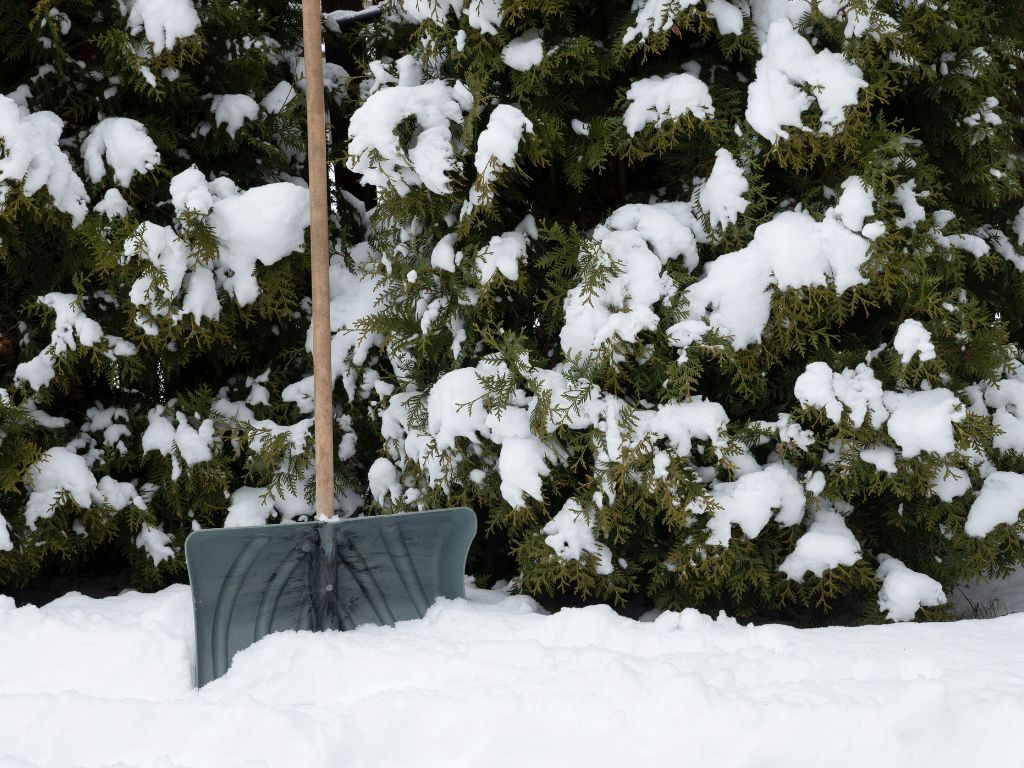
Practical Steps for Protecting Trees During Winter
Winter tree care in Middlebury is about combining preparation with gentle monitoring throughout the season. One of the first steps is careful pruning. Removing dead or weakened branches before the heavy snow and ice arrive reduces the risk of breakage. It’s important to avoid heavy pruning during deep winter, as stimulating new growth can make trees more susceptible to cold damage.
Protecting the trunk is another key aspect. Wrapping young or thin-barked trees with breathable tree wrap can prevent frost cracks and sunscald, especially when the winter sun reflects off snow. Applying a layer of mulch around the base of your trees helps insulate roots, stabilizes soil temperatures, and reduces water loss.
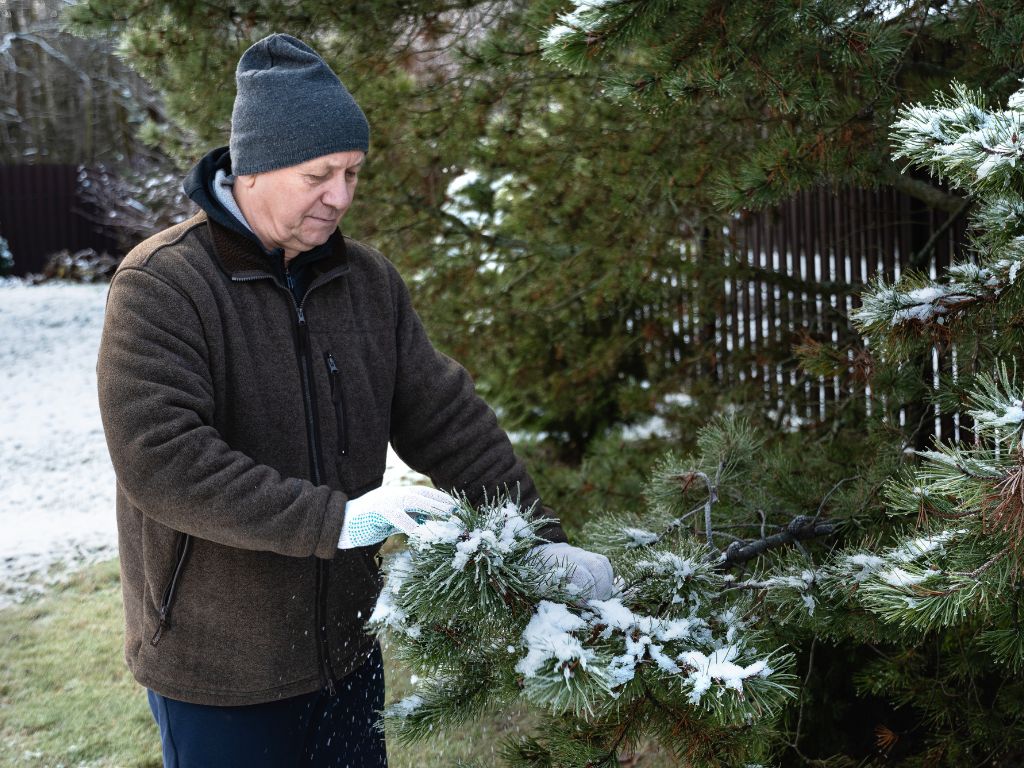
Snow and ice accumulation should be addressed carefully. Gently brushing snow off branches with a broom can prevent limbs from snapping under weight. However, it’s important never to shake or hit branches, as this can cause more harm than good. For trees near sidewalks or driveways, timely removal of snow accumulation can also prevent potential hazards from falling branches.
Monitoring tree health throughout winter is essential. Keep an eye out for signs of stress, such as splitting bark, leaning trunks, or broken branches. Properly hydrated trees are generally more resilient, so watering before the ground freezes is beneficial, especially for young or newly planted trees. Observing your trees periodically allows you to identify issues early and reduce long-term damage.
Challenges Homeowners Face in Winter Tree Care
Winter tree care can feel intimidating because trees respond differently depending on species, age, and location. Even experienced homeowners may struggle to determine which trees need attention or how much care is appropriate. Weather patterns are unpredictable, and what works for one tree might not work for another.
Patience and knowledge are essential. Understanding seasonal risks, recognizing early signs of stress, and taking preventive action can make tree care services in Middlebury CT much more manageable. While winter may feel dormant, proactive care now ensures healthier trees in the spring.
Conclusion
Proper winter tree care Middlebury CT is more than maintaining appearances—it safeguards the long-term health of your trees. By pruning dead or weak branches, protecting trunks, managing snow and ice, and monitoring for signs of stress, you can help your trees endure winter challenges and thrive when temperatures rise. Observing your landscape with care and knowledge allows you to address potential problems before they escalate.
If you’d like to learn more or explore support options, EverGreen Lawn & Landscape Lawn & Landscape Lawn & Landscape is available to help.
Quick FAQ
- How often should I check my trees during winter?
It’s best to inspect trees at least once a month, especially after storms, to catch any damage early. - Can mulch prevent all winter damage?
Mulch helps protect roots and stabilizes soil temperatures, but it won’t stop ice or heavy snow from affecting branches. - Is pruning necessary every winter?
Only prune dead, weak, or hazardous branches. Avoid major pruning during the coldest months to prevent stress. - Should trees be watered in winter?
Young or newly planted trees benefit from watering before the ground freezes. Established trees usually rely on stored moisture, except during unusually dry spells.