
That Tree Isn’t Going to Sort Itself Out
A storm rolls through Watertown overnight. By morning, you’re stepping outside to a scene that stops you cold, a massive oak leaning at an angle it was never meant to lean, branches snapped and scattered across your yard, or worse, a tree that has come down entirely. Now what?
Tree removal after storm damage is one of the most urgent and emotionally charged situations a homeowner can face. You’re not just dealing with a mess, you’re dealing with risk to your home, your family, and your property value. And you’re facing a critical question: can this tree be saved, or does it need to come down?
This guide will walk you through how to assess storm-damaged trees, when removal is the right call, what the process looks like, and how proper lawn care, including understanding what fertilizer does for grass, fits into your recovery plan.
Understanding the Damage: What Happened to Your Tree?
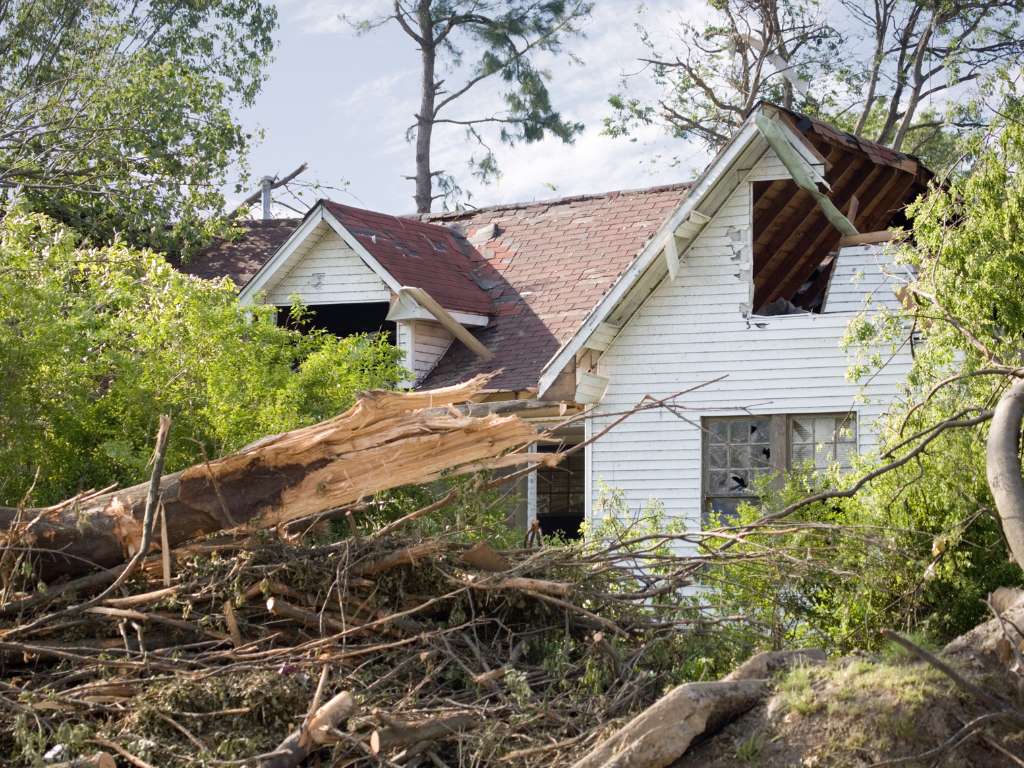
Not all storm damage is equal. A tree that loses a few branches is very different from one that has been structurally compromised at the root or trunk. Before any decisions are made, it helps to understand the types of damage you may be dealing with.
Common Storm Damage Scenarios
| Damage Type | What It Looks Like | Typical Outcome |
| Broken limbs | Hanging or detached branches | Often prunable, tree survives |
| Split trunk | Crack running down the center | Usually requires removal |
| Tree leaning after storm | Whole tree tilted from upright position | Depends on root exposure |
| Uprooted tree | Tree fell due to storm, roots visible | Almost always removal |
| Crown damage | Top of tree heavily stripped | Evaluate with an arborist |
| Bark stripping | Large sections of bark missing | Risk of disease, monitor closely |
Each of these situations calls for a different response, and in many cases, a professional eye is essential before you do anything else.
Can the Tree Be Saved? Key Factors to Evaluate
Storm damage tree care begins with a careful assessment. There is no universal rule, but there are key indicators that professionals use to determine whether a tree has a realistic chance of recovery.
Signs a Tree May Be Worth Saving
- More than 50% of the crown is still intact
- The trunk is solid with no major cracks or splits
- The lean is minimal and roots are not exposed
- The tree is young and otherwise healthy
- Damage is limited to smaller branches that can be cleanly pruned
Signs the Tree Likely Needs to Come Down
- The trunk has split or the main scaffold branches are broken
- A tree leaning after storm shows significant root disturbance
- More than half the root system has been disrupted or exposed
- The tree is dead or dying prior to the storm, damage just accelerated the end
- The tree is leaning toward your home, driveway, or any structure
- A tree fell down due to storm and cannot be safely repositioned
Repairing storm damaged trees is possible in many cases, but it requires honest assessment. Attempting to save a tree that is structurally compromised can create a dangerous false sense of security, and a much bigger problem down the road.
When Tree Removal After Storm Is the Right Decision
There are situations where tree removal after storm is not just the right call, it is the only safe call. Holding off on removal in these cases puts your property and everyone on it at unnecessary risk.
Situations That Call for Immediate Removal
- Damaged tree removal is urgent when any part of the tree is resting on your home, roof, or fence
- Broken tree removal is needed when large hanging limbs pose a fall hazard to people below
- Tree removal after wind damage is essential when the root ball has shifted and the tree is actively moving
- Any tree that is leaning toward power lines requires immediate professional involvement, do not attempt this yourself
Tree removal from storm damage should always be handled by a licensed and insured tree service. What looks manageable from the ground is rarely as simple as it appears once you are working at height with tension in the wood.
The Tree Storm Damage Repair Process: What to Expect
If an arborist determines that tree storm damage repair is a viable option, the process typically follows a structured approach.
Step-by-Step: Storm Damage Tree Care
- Safety assessment: Identify immediate hazards before any work begins
- Crown cleaning: Remove broken, dead, or hanging branches with proper pruning cuts
- Structural evaluation: Assess the trunk, crotch angles, and root zone
- Cabling or bracing (if appropriate): Support weak limbs or splits to prevent further failure
- Follow-up care: Monitor the tree over the next growing season for signs of stress or decline
Not every tree will need all of these steps. Some trees need nothing more than a thorough cleanup and a season of careful watching. Others will require more intensive intervention.

Lawn Recovery After Storm Damage: Don’t Forget Your Grass
Storms do not just damage trees. They compact soil, strip away topsoil, leave debris that smothers turf, and can disrupt the nutrient balance your lawn depends on. Once the trees and branches are dealt with, your yard itself needs attention.
This is where understanding what fertilizer does for grass becomes important. Fertilizer provides the essential nutrients, nitrogen, phosphorus, and potassium, that grass needs to recover, fill in bare spots, and rebuild density after stress. If your lawn took a beating from fallen limbs, heavy runoff, or equipment used during tree removal, a targeted fertilization plan can dramatically speed up its recovery.
So what does fertilizer do for grass specifically in a post-storm scenario? It gives your lawn the fuel it needs to regenerate root systems, push new growth, and resist disease during a period when it is already under stress. Timing matters, applying fertilizer too early after damage or in the wrong season can do more harm than good. A lawn care professional can assess soil conditions and recommend the right product and schedule.
Why Storm Damage Tree Decisions Are So Difficult, And Why That’s Normal
Homeowners often feel pressure to make immediate decisions after a storm, and that pressure leads to mistakes. Some try to handle tree removal from storm damage themselves, underestimating the risks. Others hold on to a damaged tree too long, hoping it will recover, when the warning signs are clear.
The difficulty is real. Trees are living things that homeowners often have a personal connection to. A large oak that has been on your property for decades is not just a tree; it is part of your landscape’s identity. Deciding to remove it is not easy.
But here is the thing professional arborists understand well: the goal is not to save or remove every tree. The goal is to make the right call for the specific tree in front of you, based on evidence and experience. That is what separates reactive, emotionally driven decisions from ones that actually protect your property and promote long-term landscape health.
FAQs: Tree Removal After Storm in Watertown, CT
1. How do I know if a leaning tree after a storm needs to come down?
A tree leaning after storm with exposed roots or soil heaving at the base is a serious structural concern. If the lean is more than 15 degrees from vertical, or if roots are visibly displaced, removal is usually the safest course. A licensed arborist can evaluate the situation before you make a final decision.
2. Is it safe to leave a storm-damaged tree if it’s not leaning toward my house?
Not necessarily. Broken or hanging limbs, a split trunk, or an extensively damaged root system can create hazards even when the tree appears stable. Repairing storm damaged trees requires a full structural assessment, not just a visual check from the ground.
3. How soon should I call a tree service after storm damage?
As soon as it is safe to go outside and assess the situation. If there are immediate hazards, limbs on your roof, a tree against power lines, or anything blocking a driveway, call the same day. For less urgent situations, still aim to have a professional out within a few days before conditions change or the tree deteriorates further.
4. Will my homeowner’s insurance cover storm damage tree care?
Insurance policies vary widely, but most homeowner policies will cover removal costs if a tree has damaged a structure on your property. Cleanup of a tree that fell in the yard without causing structural damage is often not covered. Document everything with photos before any work begins and contact your insurer promptly.
5. Can a tree that fell down due to storm be replanted or saved?
Occasionally, a small to medium tree that fell down due to storm with its root ball still largely intact can be righted and staked. However, this is uncommon for mature trees and carries real risk of failure. An arborist should assess the situation before attempting to restore an uprooted tree, in most cases, damaged tree removal is the more practical outcome.
6. What should I do about my lawn after tree removal from storm damage?
Once the tree work is done, your lawn will likely need some attention. Fill in any holes or ruts left by equipment. Aerate compacted areas. Then consider a fertilization program, understanding what does fertilizer do for grass helps here. The right fertilizer application will support root regrowth and help your turf recover and thicken up where it has been stressed or damaged.
Conclusion: Clear Thinking After the Storm
When a storm hits, the damage can feel overwhelming. But taking a step back and making informed decisions, about which trees can be saved, which need to come down, and how your landscape recovers in the aftermath, makes all the difference.
The key takeaways are straightforward:
- Not every storm-damaged tree needs to be removed, but some absolutely do
- A structural assessment from a licensed arborist is the only reliable way to know which situation you’re in
- Tree removal after wind damage or uprooting should always be handled by trained professionals
- Lawn recovery matters too; soil, turf, and drainage all need attention after major storm events
- The sooner you act, the more options you have
Your property is worth protecting, and the decisions you make in the days after a storm shape what your landscape looks like for years to come.
Ready to Assess the Damage? Evergreen Lawn and Landscape Is Here to Help.
If you’re in Watertown, CT or the surrounding area and dealing with storm-damaged trees, overgrown yards, or a lawn that needs some serious recovery time, the team at Evergreen Lawn and Landscape is available to walk your property and give you an honest, professional assessment. No pressure. No guesswork. Just experienced eyes and reliable service when your yard needs it most.
Reach out to schedule a consultation and take the first step toward getting your landscape back in order.