Trees add beauty and shade to your property, but when they begin to die, they can pose serious safety risks. Recognizing signs of a dead tree early is crucial to protecting your home, family, and landscaping investments. This article will help you identify warning signs, understand the risks, and know when professional action may be necessary.
How to Identify a Dead Tree
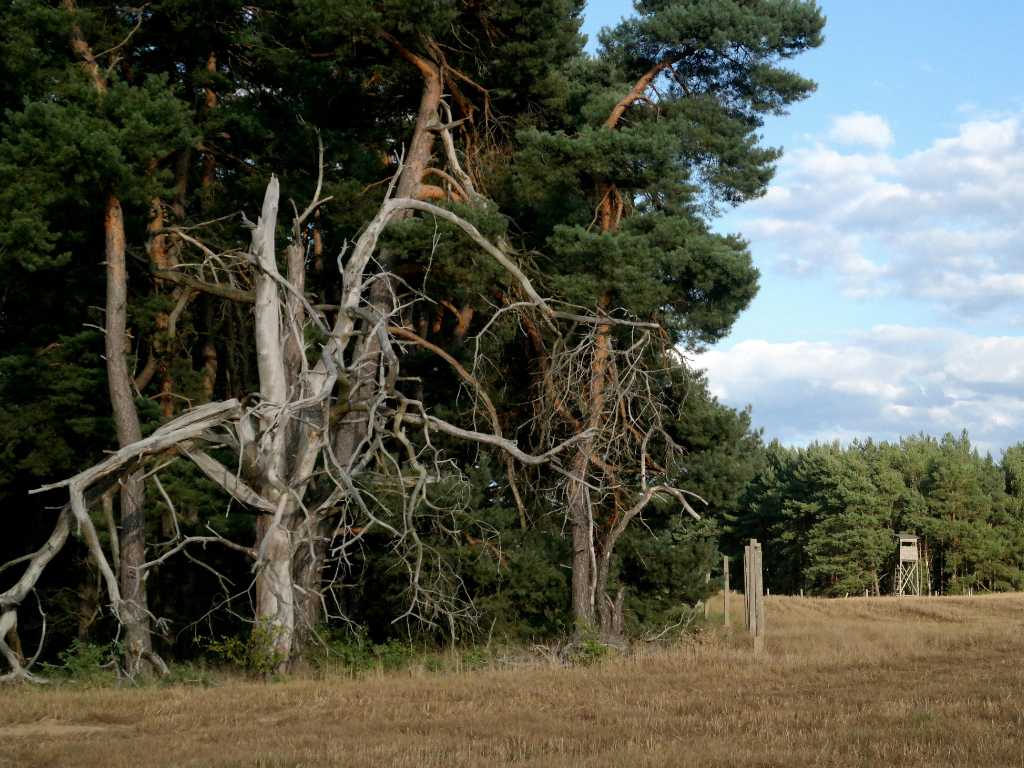
A tree doesn’t always show obvious signs of decline immediately. During the growing season, a healthy tree should have vibrant leaves. If you notice leafless branches while surrounding trees are thriving, that may be one of the first signs that a tree needs to be cut down. Bark also provides clues; cracking, peeling, or missing sections can indicate structural decay. Fungi appearing on the trunk or near the roots often point to internal rot, and even roots themselves can give hints; weakened or exposed roots are sometimes referred to as dead tree roots.
Understanding When a Tree Needs Attention
Knowing when to take tree down can be confusing for homeowners. It isn’t always obvious if a tree is dangerous until issues progress. Leaning trees, hollow areas in the trunk, or large sections of dead branches often signal serious problems. Even if only part of the canopy is dead, the overall stability of a large dead tree may be compromised. These conditions increase the risk of falling limbs during storms, making timely assessment essential.
Determining When to Remove a Tree
Deciding when to remove a tree isn’t straightforward, as it depends on several factors, including tree species, age, and environmental conditions. Over time, signs such as significant canopy dieback or root decay become critical.
If you notice obvious warnings, these are clear signs you need to remove your tree, and leaving it standing could pose a risk to your home or yard. Over the years, trees may gradually slow their growth or even stop developing entirely. Many homeowners wonder when does a tree stop growing, as this can help indicate whether a tree is nearing the end of its life cycle.
Challenges in Assessing Tree Health
Tree health can be subtle, and identifying risk isn’t always easy. Dead branches high in the canopy are often out of view, and slow decline can be mistaken for natural aging. Environmental stress, pests, and disease can further complicate the picture. This is why consulting a professional is highly recommended. Experts can evaluate structural integrity, identify hazards, and provide clear guidance on whether the tree should remain or be removed.
Lawn and Tree Care Connection
While monitoring tree health, maintaining your lawn is equally important. Understanding what does fertilizer do for grass ensures a healthy environment around trees. Fertilizer provides essential nutrients, helping grass grow strong even in areas where roots may compete for water and minerals. A well-nourished lawn supports your yard’s overall ecosystem and can reduce soil erosion, making the area safer and more visually appealing.
Final Thoughts
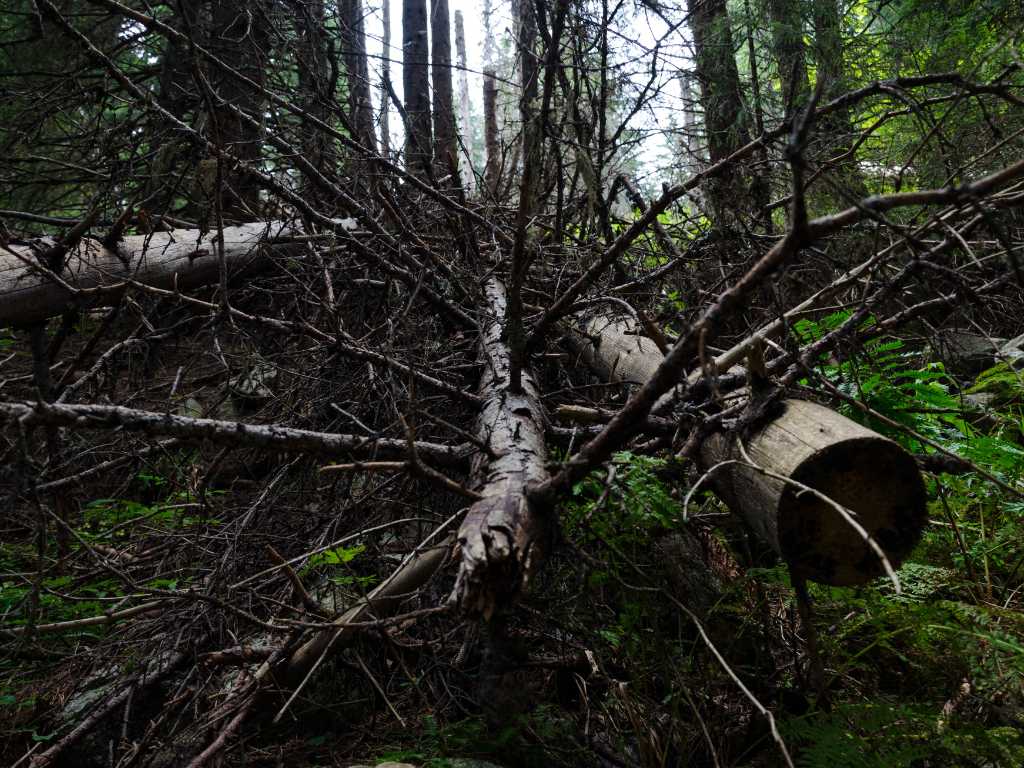
Spotting signs of a dead tree early is critical for safety and property protection. Watch for leafless branches, peeling bark, fungal growth, brittle twigs, and weakened roots. Trees that are leaning, hollow, or show extensive damage require careful evaluation. Large dead trees present significant hazards, so consulting professionals is always the best approach. With early detection and proper action, you can keep your Watertown yard both safe and beautiful.
For any concerning trees on your property, schedule a professional assessment to ensure safety before problems escalate.
FAQs
- How can I tell if a tree is dead or just dormant?
Observe branches during the growing season. Dead trees remain leafless and brittle, while dormant trees will sprout eventually. - Can part of a tree recover if it is mostly dead?
Some trees may survive partially, but structural risks often remain. Professional assessment is safest. - Are fungi on trees always harmful?
Fungi on trunks or roots often indicate decay. Healthy trees usually don’t support large fungal growth. - Do dead roots affect nearby plants?
Decaying roots can attract pests and reduce soil quality, affecting nearby plants and grass. - Is it safe to remove a large dead tree myself?
Removing large trees is dangerous. Certified professionals should handle it to prevent injury or damage. - How often should I inspect my trees?
Inspect at least twice yearly, ideally in early spring and late fall, to catch problems before they become severe.