
Most homeowners aren’t sure what separates one from the other, and that’s completely normal. This guide will walk you through what tree pruning actually means, how it compares to trimming, and what you need to know to make smart decisions for the trees on your property.
What Is Tree Pruning?
Tree pruning is the deliberate removal of specific branches to improve a tree’s health, structure, and safety. Unlike a general cleanup, pruning targets branches that are dead, diseased, crossing, or growing in ways that could cause problems down the road.
Think of it as purposeful, informed cutting, not just taking off what looks messy, but removing what actually needs to go for the long-term benefit of the tree.
Tree Pruning vs. Trimming: What’s the Difference?
This is where a lot of confusion starts. Understanding the difference between pruning and trimming comes down to one thing: purpose.
Tree pruning is about the health and structure of the tree. You’re making calculated cuts to guide how the tree grows, remove hazards, or address disease.
Tree trimming is primarily about appearance and maintenance. It keeps growth in check, cleans up the canopy, and makes your landscape look tidy.
When comparing tree trimming vs. pruning side by side, trimming is routine upkeep, pruning is corrective or preventive care. Both matter, but they serve different goals.

Trimming vs. Cutting: Are They the Same Thing?
Not quite. Trimming vs. cutting is a subtle but useful distinction. Trimming is a controlled, targeted action, you’re managing growth in a specific way. Cutting is a broader term that can mean anything from removing a single branch to taking down an entire tree.
In professional tree care, the words used matter because they describe the scope and intent of the work being done.
The Difference Between a Tree and a Bush, and Why It Affects Care
It helps to understand the difference between a tree and a bush before diving into pruning techniques, because the two are cared for differently.
Trees typically have a single central trunk and grow upward with a defined structure. Bushes (or shrubs) branch from the base and tend to grow outward in multiple directions. This structural difference affects how aggressively each can be trimmed, when cuts should be made, and what tools are appropriate.
What works for shaping a boxwood hedge won’t necessarily work for an oak or a maple, and treating them the same way can cause real damage.
When Is Tree Trimming Season?
Timing is one of the most overlooked parts of tree care. So when is tree trimming season, exactly?
For most trees in Connecticut, late winter to early spring is the ideal window. Here’s why:
- The tree is still dormant, so cuts heal more efficiently
- Insects and fungal pathogens are less active, reducing infection risk
- Without leaves, you can clearly see the branch structure and make better decisions
Summer trimming works for minor maintenance, but heavy cuts during the growing season can stress the tree. Fall is generally best avoided, fresh cuts leave the tree vulnerable heading into winter.
That said, dead or hazardous branches are an exception. Those should be addressed as soon as they’re identified, regardless of the season.
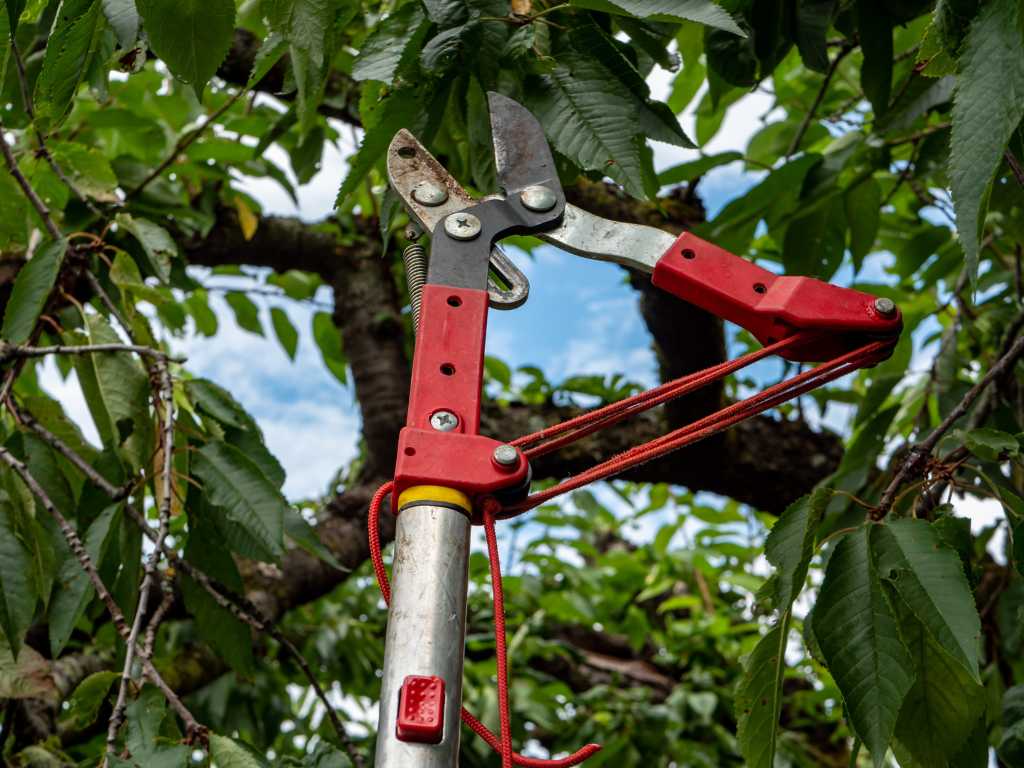
Types of Tree Pruning
Depending on the tree’s condition and your goals, a professional may recommend different approaches. Here are the most common types of tree pruning:
Crown Thinning
Selectively removing branches within the canopy to improve light and air circulation without changing the tree’s overall shape. Good for dense trees that block too much light.
Crown Raising
Removing lower branches to lift the base of the canopy. Useful for clearance over driveways, walkways, or lawn areas below.
Crown Reduction
Reducing the tree’s overall height or spread. More involved than other methods, done carefully to avoid stressing the tree.
Deadwooding
Removing dead, dying, or broken branches. This is one of the most important safety measures and is often the priority during any professional visit.
Structural Pruning
Typically done on younger trees to establish a strong, balanced branch structure before problems develop. An investment in the tree’s future.
The Benefits of Regular Tree Trimming
Beyond looks, the tree trimming benefits for your property are genuinely significant:
- Safety, Dead or overextended branches are a falling hazard, especially during storms
- Tree health, Regular trimming removes diseased wood before it spreads and improves airflow through the canopy
- Property value, Well-maintained trees are a measurable asset to any home
- Lawn health, Thinning the canopy lets more light reach the grass and plants below
- Long-term cost savings, Catching small problems early prevents much larger, more expensive issues later
Regular tree trimming isn’t just maintenance, it’s an ongoing investment in the health and safety of your landscape.
Why This Can Feel Complicated, And What to Keep in Mind
Even with a solid understanding of what tree pruning involves, it’s easy to second-guess yourself in the yard. Which branches? How much? What if you cut too far?
These are fair questions. Trees are living systems, and the wrong cut in the wrong place can introduce disease, weaken structure, or permanently affect the tree’s growth. That’s not meant to be discouraging, it’s just worth knowing that thoughtful, informed pruning looks very different from random cutting.
The difference between pruning and trimming, the timing, the technique, all of it adds up to results that actually help the tree rather than hurt it.
Key Takeaways
Here’s a quick summary of what we covered:
- What is tree pruning? A targeted, health-focused approach to removing specific branches, not just a visual cleanup
- Tree pruning vs. trimming: Pruning addresses health and structure; trimming addresses appearance and routine upkeep
- Trimming vs. cutting: Trimming is controlled and specific; cutting is a broader term
- Difference between tree and bush: Different structures require different care approaches
- When is tree trimming season? Late winter to early spring for most species in Connecticut
- Types of tree pruning: Crown thinning, crown raising, crown reduction, deadwooding, and structural pruning
- Tree trimming benefits: Safety, health, property value, and long-term cost savings
Taking the time to understand these basics puts you in a much better position, whether you’re doing minor maintenance yourself or deciding when to call in a professional.
If you’d like to talk through what your trees might need, EverGreen Lawn & Landscape is happy to help Watertown, CT homeowners understand their options, no pressure, just honest guidance. Visit us at evergreenlawnandlandscape.com.
Frequently Asked Questions
What is the main difference between pruning and trimming?
Pruning is focused on the tree’s health and structure, removing problematic, dead, or diseased branches. Trimming is focused on managing appearance and routine growth. Both are valuable, but they serve different purposes.
When is the best time for tree trimming in Connecticut?
Late winter to early spring is the best window for most trees. The tree is dormant, pests and disease are less active, and the branch structure is easy to see. Hazardous branches should be dealt with any time of year.
Can I tell the difference between a tree and a bush just by looking?
Generally, yes. Trees have a single main trunk and grow upward with a defined canopy. Bushes branch from the ground level and spread outward. This distinction matters when deciding how to prune or trim each one.
What are the biggest tree trimming benefits for homeowners?
The most important benefits are safety (reducing falling branch risk), improved tree health, better light for your lawn, and protecting your property’s long-term value. Regular trimming also tends to be far less costly than dealing with storm damage or diseased trees after the fact.